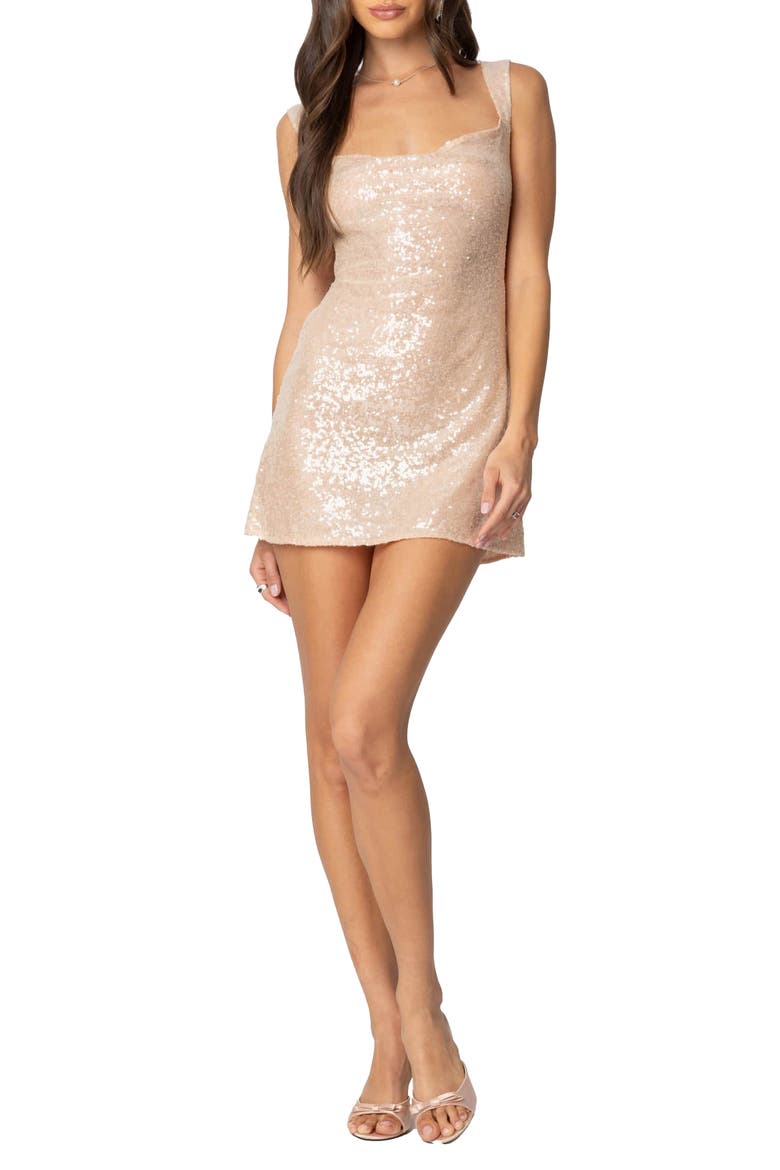
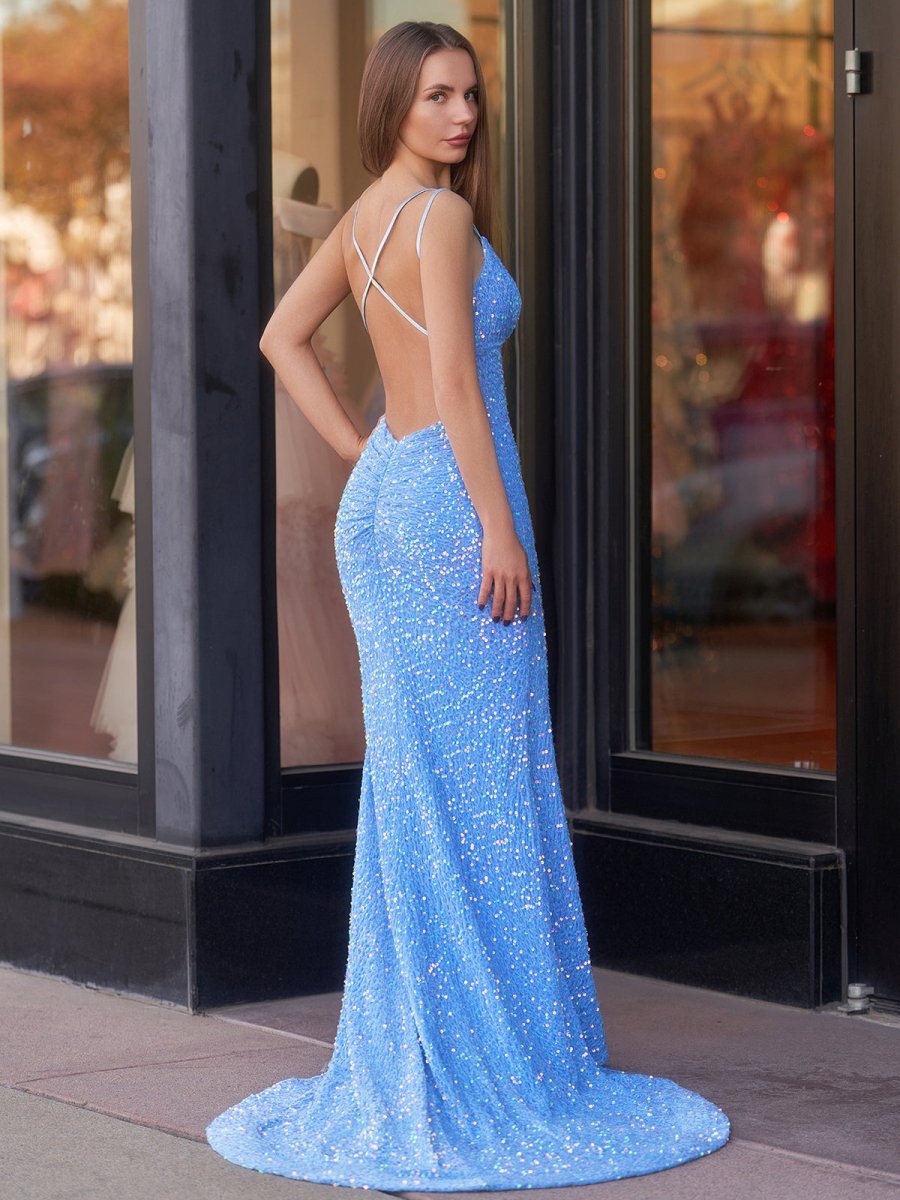
Quick Takeaways: The A-line Dress Definition: A dress fitted at the top that widens progressively to the hem
We have a 90 day no questions asked return policy
Grab your favorite black pants or jeans and any black and white striped top
The highest-risk sewing points Sleeve cap gather line: needs consistent ratio Armhole join seam: stress point when wearer lifts arms Elastic channel: twisting and uneven stretch are common Cuff seam: can look wavy if tension is wrong Specs I always lock before bulk Gather ratio (cap and hem) written in numbers Elastic width, stretch %, and vendor standard Stitch type and SPI for armhole seam Pressing method and temperature limits Sleeve length tolerance and left/right symmetry tolerance Inline QC checklist I use on the line Compare left and right sleeve puff height on mannequin Check elastic twist by rotating sleeve opening Do a quick arm-lift test on sample every size set Measure sleeve length after pressing, not before Random check for thread breaks at armhole seam Cost drivers buyers should know early Extra fabric usage from sleeve fullness Higher sewing time from gathers and elastic channels Higher risk of rework from symmetry issues Possible need for lining or inner support layer Long-Sleeve A-Line Dress Many buyers add sleeves late, then the fit gets tight, the armholes pull, and the dress looks cheap on camera
Recreate the schoolgirl look from the music video with a grey cardigan, tied-up shirt, pigtails and pink pom poms
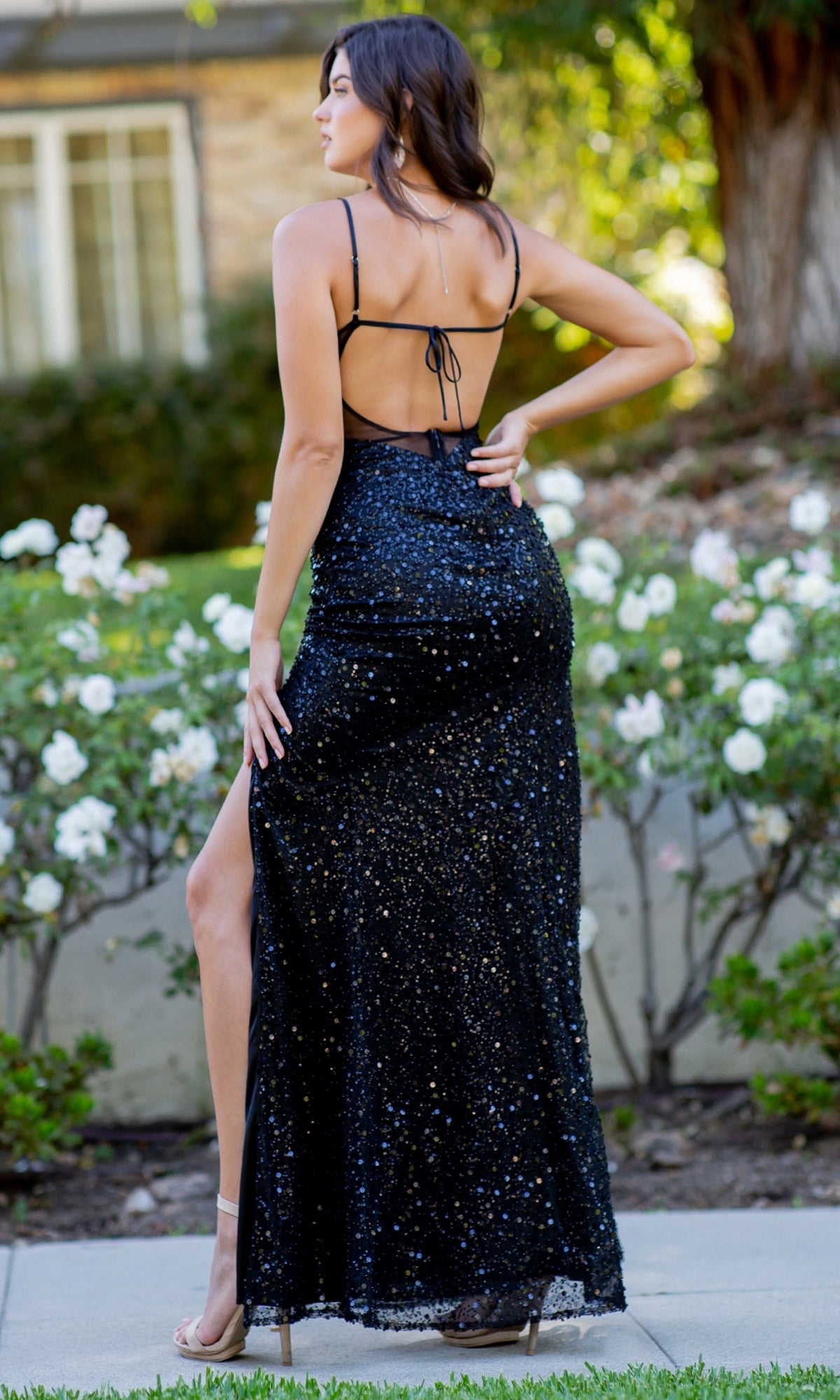
The Oxford English Dictionary defines the LBD as "a simple black garment suitable for a woman to wear at most kinds of relatively formal social engagements." But where did this style come from